Rehabilitation, Discipline and a Return to National Service
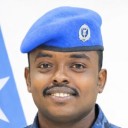
Mohamed Abdullahi Khalif | Prosecutor
Mogadishu Central Prison | Somalia
Overview
During a visit to Mogadishu Central Prison, I addressed a group of members of the Somali Armed Forces who had been serving sentences for relatively minor offences and had completed approximately two-thirds of their terms.
The remaining portions of their sentences had been pardoned by the President of the Federal Republic of Somalia in connection with the Eid al-Fitr celebrations, allowing them to leave prison and share the occasion with their families.
My message to the departing service members focused on rehabilitation, discipline, personal responsibility and their return to national service.
I encouraged each of them to regard the period they had spent in custody as an important lesson and a turning point in their lives. Their release represented an opportunity to move forward, and I urged them not to engage in conduct that could bring them back before the justice system or into prison again.
At the same time, I wanted them to understand that their imprisonment did not mean that they had been rejected by their country or permanently excluded from the institutions in which they had served.
I reminded them that their government and their respective forces still regarded them as members capable of contributing to the country. They had served their sentences as required by law, and the presidential pardon of the remaining portion provided them with an opportunity to return to their families and begin a new chapter.
Somalia continued to face serious security challenges, and the country still needed the professional experience and skills of its service members. I therefore reminded them that, following the Eid celebrations with their families, they would return to the forces and units to which they belonged and continue carrying out their national duties.
My message, however, was also clear about the responsibilities that accompanied that return.
I urged them to maintain discipline, respect the civilian population and avoid conduct that could harm members of the public. I also warned them against violence or misconduct among fellow service members.
Returning to service meant returning not only to a profession, but also to the responsibilities and standards expected of members of the Armed Forces.
I made clear that where misconduct or criminal behaviour occurred, the institutions responsible for military justice would continue to perform their lawful duties. The opportunity for rehabilitation and reintegration therefore went hand in hand with accountability, discipline and respect for the law.
An equally important part of my remarks was directed towards the leadership, officers and staff of Mogadishu Central Prison.
I thanked and commended them for the visible transformation we observed among the service members during their period in custody.
The improvements were not limited to the completion of their sentences. There were visible changes in their personal discipline, conduct and general appearance, together with evidence that they had gained additional knowledge and practical skills during their time in the institution.
Their improved behaviour and discipline demonstrated the importance of a correctional system that does more than simply confine an individual.
A prison sentence can also provide an opportunity for correction, education, rehabilitation and preparation for successful reintegration into society and professional life.
For that reason, I expressed my appreciation to the prison administration and officers for the work they had undertaken with the service members throughout their period in custody.
The occasion therefore represented more than the release of a group of prisoners.
It was a transition from punishment to rehabilitation, from custody back to family life, and from correction back to responsibility and national service.
The presidential pardon allowed them to celebrate Eid with their families, while their subsequent return to their respective units provided them with an opportunity to demonstrate that they had learned from the past and were prepared to continue serving their country with greater discipline and responsibility.
My final message to them was one of both encouragement and accountability: learn from what has happened, value the opportunity you have been given, respect the people you serve, maintain discipline among yourselves, and return to your duties determined not to come before the justice system for misconduct again.
Video
Original Language: Somali
Location: Mogadishu Central Prison, Somalia
Speaker: Mohamed Abdullahi Khalif
Role: Prosecutor
Subject: Rehabilitation, Discipline and Return to Service Following a Presidential Pardon
The video below contains part of my message to the service members as they prepared to leave Mogadishu Central Prison following the presidential pardon of the remaining portions of their sentences.
My remarks focused on learning from their experience, returning to their families for Eid, resuming their professional responsibilities, maintaining discipline and recognising the opportunity they had been given to begin a new chapter.